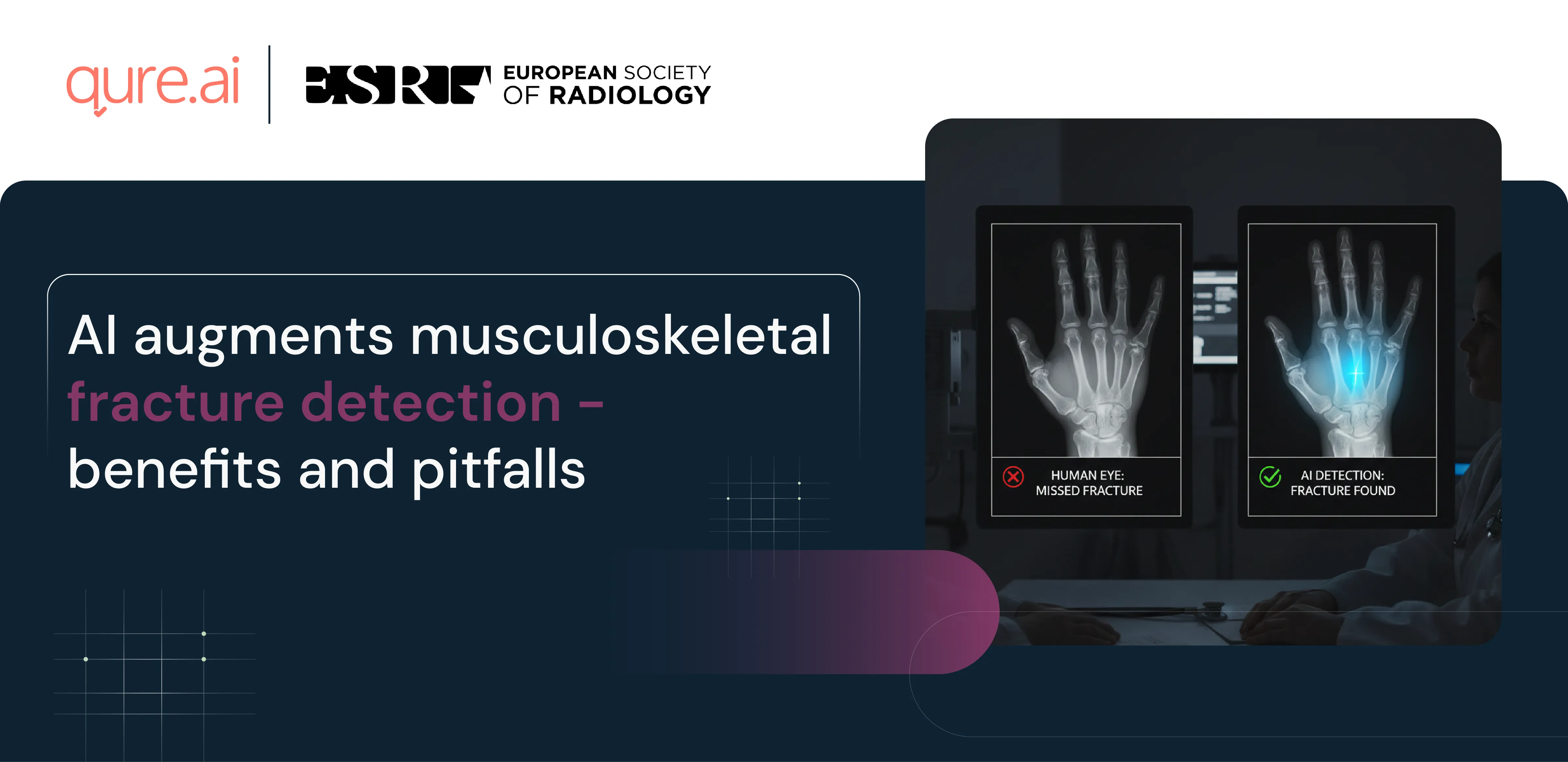
Artificial intelligence (AI) is transforming diagnostic radiology, particularly in fracture detection, enhancing sensitivity, efficiency, and workflow in clinical settings. AI-assisted fracture detection has demonstrated up to 10.4% improvement in sensitivity and 5% in specificity, reducing radiologist errors and interpretation time while aiding clinicians across specialties. Bounding boxes on images improve explainability and reduce search bias, ensuring critical fractures are not missed. AI has the potential to broaden access to radiographic interpretation, benefiting emergency and family medicine practitioners. However, current models struggle with complex pathologies, such as fracture-dislocations, and may replicate human diagnostic errors if training data lacks CT-based validation. While AI remains a powerful augmentative tool, cautious implementation is essential to mitigate over-reliance and confirmation bias. Future advancements, driven by diverse training datasets and multi-institutional collaboration, will refine AI’s role in radiology workflow and musculoskeletal imaging.